Daily Check-Ins With Your Child That Don’t Feel Forced
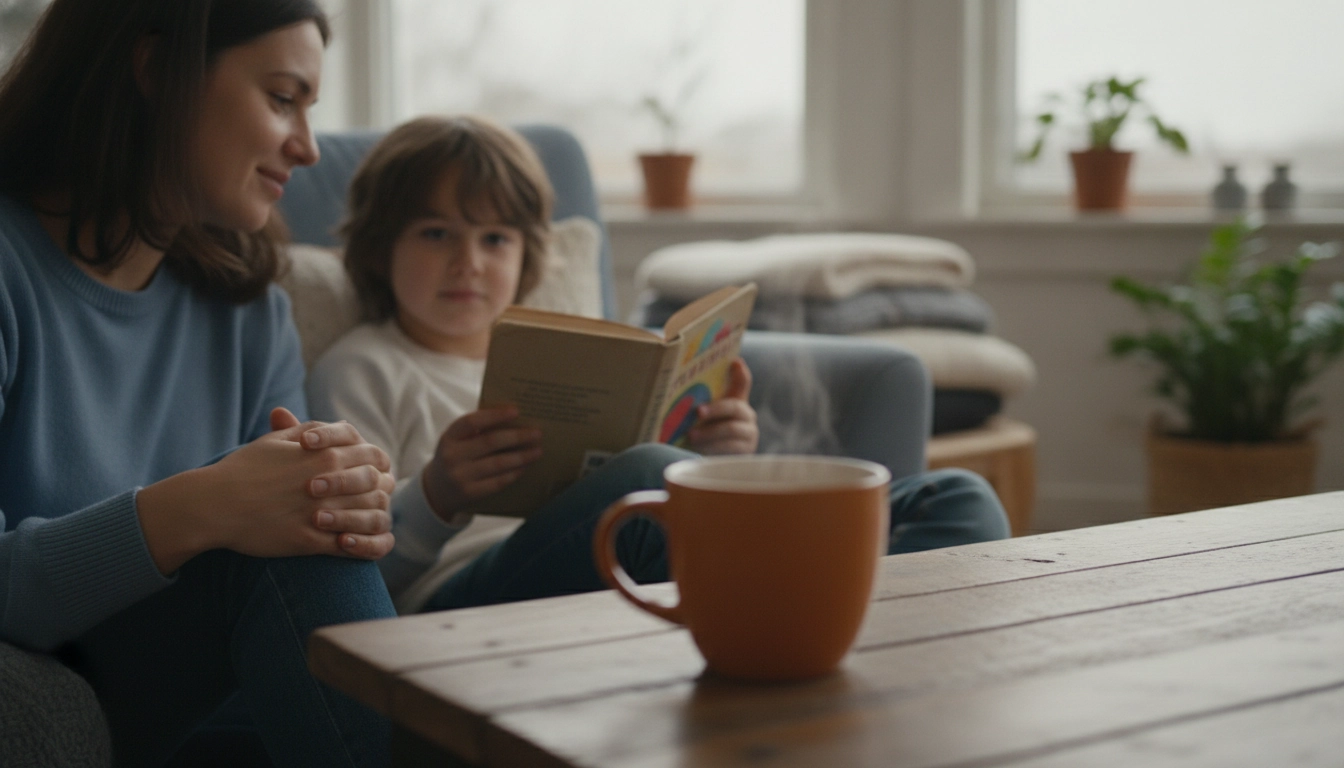
How can I start a daily check-in routine with my child without it feeling forced?
Answer
Start small and make it predictable, not performative. Pick one “anchor moment” that already happens every day—buckling the seatbelt, brushing teeth, after-school snack, or lights-out—and attach a two-minute check-in to it. Keeping the time and place consistent helps it feel like part of the rhythm of home, not an interview.
Lead with low-pressure prompts that don’t demand a big emotional reveal. Try: “What was one good thing today?” “What was one hard thing?” or “If today had a headline, what would it be?” If your child shrugs, accept it and offer choices: “Want to answer with a word, a number (1–10), or a sound effect?” Playful options reduce the sense of being evaluated.
Match their pace by sharing first. A quick parent check-in (“My best part was… My tough part was…”) models what you’re asking for and signals that this is a two-way connection, not a test. Then reflect what you heard—one sentence is enough: “That sounds frustrating,” or “You worked hard through that.” Avoid immediately fixing, teaching, or probing for details unless they invite it.
Keep the routine flexible so it doesn’t become a power struggle. If they say “not today,” respond with a calm “Okay—want to do a one-word check-in instead?” or “Do you want me to go first and you can pass?” Consistency matters more than completeness; even short, imperfect check-ins build trust over time.
If you’d like a guided way to make these conversations easier (without turning them into lectures), see the parent-child communication workbook here: Talk & Connect: Parent-Child Communication Workbook.
For Daily Check-Ins With Your Child That Don’t Feel Forced, the best answer depends on fit, material, care instructions, and how the product will be used day to day.
FAQ
What are good daily questions to ask your child?
Rotate a few simple prompts like “Best part/worst part,” “What made you laugh?” and “What do you want more help with tomorrow?” Repeating familiar questions helps kids answer faster and with less pressure.











Leave a comment