Summer Dog Care Tips: Water, Shade, and Heat Safety
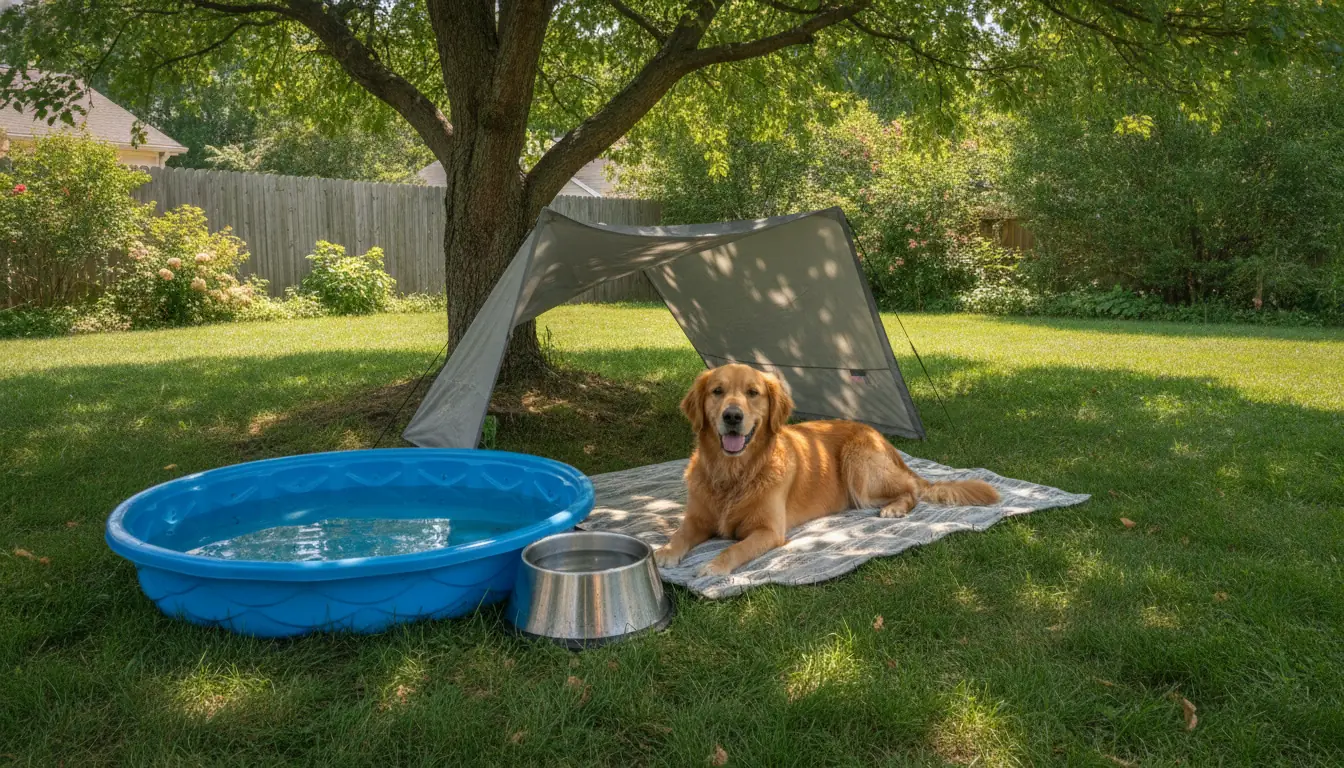
How to take care of your dog in summer?
Summer can be tough on dogs because they don’t sweat like humans do and can overheat quickly. A few simple habits—focused on water, shade, timing, and safety—go a long way toward preventing heat stress and keeping your dog comfortable.
Keep fresh water available at all times
Refill bowls often, especially outdoors where water warms up fast. On walks or trips, bring a portable bottle and offer small, frequent drinks rather than waiting until your dog is panting heavily.
Walk smart: avoid peak heat and hot pavement
Plan exercise for early morning or later evening. Before stepping onto asphalt, do a quick “hand test”: if you can’t hold your palm on the surface for several seconds, it’s too hot for paws. Choose grass, dirt paths, or shaded routes when possible.
Prioritize shade and airflow
Whether your dog is in the yard, at a park, or on a patio, provide shade and a breezy spot to rest. Fans and open windows help, but never rely on a garage or enclosed space for cooling—temperatures can rise rapidly.
Know the warning signs of overheating
Heavy panting, drooling, bright red or pale gums, vomiting, wobbliness, or collapse are urgent signs. Move your dog to a cooler area right away, offer cool (not ice-cold) water, and contact a veterinarian if symptoms are severe or not improving quickly.
Use extra caution with cars, pools, and playtime
Never leave a dog in a parked car, even “for a minute.” Around water, supervise closely and use a dog life jacket if your dog is inexperienced or the water is rough. Keep fetch sessions shorter in heat and build in rest breaks.
For more detailed tips and summer-specific safety reminders, visit the full guide here: https://coolideasspotlight.shop/how-to-take-care-of-your-dog-in-summer/.
FAQ
How can I tell if my dog is dehydrated?
Common signs include dry gums, thick saliva, lethargy, and sunken-looking eyes. A gentle skin “tug test” can help—if the skin doesn’t spring back quickly, your dog may need fluids and possibly veterinary care.











Leave a comment